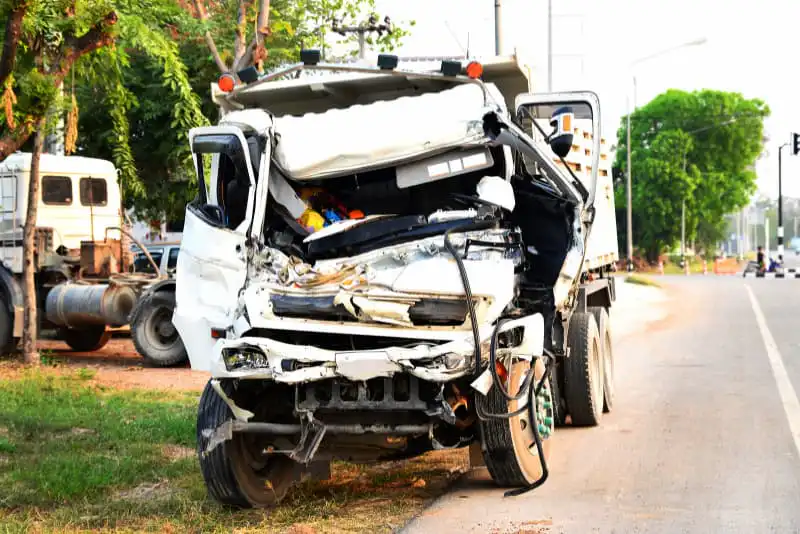
TL;DR: In this blog, you’ll learn who’s usually at fault after a rear-end crash, why whiplash can show up days later, how settlements are valued, and how long California gives you to file a claim.
Your neck hurts. Your bumper is crushed. And your phone is already buzzing with a call from the other driver’s insurance company. Before you say a word to them, it helps to understand what a rear-end accident lawyer actually does, and why that first call from an adjuster is rarely about helping you. At LA Metro Injury Lawyer, we’ve seen how quickly insurers move to close a claim before you know what it’s really worth.
Getting hit from behind can turn your week upside down. One minute you’re driving to work, the next you’re dealing with tow trucks, doctor visits, and confusing paperwork. Freeway crashes in Los Angeles happen in seconds, but sorting out the aftermath can take months. This guide breaks down faults, injuries, settlement value, and deadlines in plain language, so you know your options before you sign anything.
1. Who Is at Fault in Rear-End Accidents
In many rear-end crashes; the driver who hits the vehicle in front is responsible because California law requires drivers to follow at a safe distance. However, the rear driver is not automatically at fault in every situation. The facts of the crash matter, including whether the front driver stopped suddenly, had working brake lights, or made an unexpected move.
California Vehicle Code Section 21703 addresses following another vehicle and requires drivers to keep a reasonable and prudent distance based on their speed and traffic conditions. That rule can be important when determining whether the following driver was negligent.
A recent San Bernardino County case shows how rear-end liability can become more complicated. In Salvador Calderas v. Andrew Collins, a sheriff’s deputy fell asleep while driving and rear-ended Calderas’ stopped vehicle in 2021. The county admitted liability for the underlying accident, while the parties disputed the extent of Calderas’ injuries and the medical treatment he received. A jury later awarded Calderas $3.85 million in damages.
Evidence that may help establish what happened includes:
- Police reports and dashcam footage
- Brake-light and vehicle inspection records
- Witness statements
- Photos and videos from the crash scene
- Statements from the drivers involved
2. Why Do Rear-End Accidents Cause Whiplash Injuries
Whiplash sounds minor until you can’t turn your head. When a car is hit from behind, your torso can move forward while your head briefly lags. This sudden movement can strain the muscles, ligaments, and other tissues in your neck, causing pain, stiffness, headaches, and limited movement.
That’s the part people miss. You can feel fine immediately after a crash and notice symptoms later. Because some injuries may not be obvious right away, it is important to document your symptoms and seek appropriate medical attention after a collision.
At LA Metro Injury Lawyer, our team of skilled attorneys is available to handle the legal side of your case while you focus on recovery. The firm investigates crashes, gathers evidence and medical records, communicates with insurance companies, and handles settlement negotiations or trial preparation when necessary.
For more information about how the firm handles accident claims, visit the LA Metro Injury Lawyer Practice Areas. The page explains the firm’s approach to freeway car accidents, including case investigation, evidence collection, insurance communication, and representation through settlement or trial.
A whiplash injury may affect more than your neck. Medical treatment, missed work, and ongoing symptoms can all become part of your claim. Keeping clear medical records and documenting how the injury affects your daily life can help establish the full extent of your losses.
3. How Much Is a Rear-End Accident Settlement
There’s no fixed settlement amount for a rear-end accident. The value of a claim can depend on factors such as medical expenses, lost wages, the severity of the injuries, ongoing treatment, pain and suffering, and how clearly fault can be established.
A Los Angeles County case shows why settlement value can vary significantly from one case to another. Two women were injured when an 18-wheeler rear-ended their van. Their attorneys presented evidence of serious traumatic brain injuries and neurological problems that developed after the crash. The case went to trial after a reported $50,000 settlement offer, and a jury returned a verdict of about $21.3 million. The jury assigned 82% of the liability to the trucking company and driver and 18% to the van’s driver.
This case does not mean every rear-end accident is worth millions of dollars. It shows why the severity of an injury, long-term medical needs, evidence of fault, and other case-specific factors can make a major difference in the value of a claim.
4. Is the Rear Driver Always Liable Legally?
No. The rear driver is often responsible for a rear-end accident, but liability depends on the facts of the crash. A sudden stop, faulty brake lights, an unsafe lane change, or another driver’s actions can affect how fault is assigned.
California follows a pure comparative negligence system. If an injured person is partly responsible for causing the accident or their injuries, that person’s damages are generally reduced by their percentage of fault. For example, if you are found 20 percent at fault and your total damages are $100,000, your recovery would generally be reduced to $80,000.
This means being partly at fault does not automatically bar you from recovering damages. Instead, the amount you can recover depends on the percentage of fault attributed to you and the other parties responsible for the harm.
5. How Long After a Rear-End Accident to Sue
California generally gives you two years to file a personal injury lawsuit after a rear-end accident under California Code of Civil Procedure Section 335.1. Missing the applicable deadline can prevent you from pursuing your claim, even if you have evidence that another driver caused the crash.
Two years may sound like plenty of time, but building a personal injury claim can take time. Medical records, accident evidence, witness information, and other documents may need to be collected and reviewed. Starting the process early can help protect important evidence and give you more time to understand your legal options.
If you were injured in a rear-end accident on an LA freeway, learn more about your legal options through LA Metro Injury Lawyer’s legal resources.
6. Why Hire a Rear-End Accident Lawyer
A rear-end accident lawyer can help you understand your legal options, investigate how the crash happened, and determine what compensation you may be able to seek. This can be especially important when fault is disputed, injuries are serious, or the insurance company offers less than you believe your claim is worth.
A lawyer can also handle communication with insurance companies, gather accident and medical evidence, document your losses, and negotiate a settlement on your behalf. If the case cannot be resolved through negotiation, your attorney can prepare it for litigation.
Every rear-end accident is different, so the value and outcome of a claim depend on its specific facts. A free consultation with LA Metro Injury Lawyer can help you understand your options before deciding how to proceed.
Frequently Asked Questions
Do I need a lawyer for a “minor” crash?
It’s worth understanding your options either way. Whiplash and other injuries often show up days later, after you’ve already talked to an adjuster.
What if the insurance company already offered me money?
Get a second opinion before cashing it. Accepting a check usually means giving up your right to ask for more later.
Can I still get paid if I was partly at fault?
Yes. California’s comparative negligence rule lets you recover a share of damages even if you were partly responsible.
How long do these cases usually take?
Simple claims can settle in a few months. Cases with serious injuries or disputed faults often take longer, especially if they go to trial.
Will my case go to court?
Most cases settle without a trial, though having a lawyer willing to litigate can change how an insurer negotiates.
What should I do right after getting rear-ended?
Call 911, get checked by a doctor, take photos, and avoid giving a recorded statement to the other driver’s insurer.
Does a consultation cost anything?
No. A free case review is a good first step, with no obligation attached.
Key Takeaways
- The rear driver is often responsible for a rear-end accident, but liability depends on the facts of the crash.
- Whiplash symptoms may not appear immediately, so documenting injuries and seeking appropriate medical care is important.
- Settlement value can depend on medical expenses, lost income, injury severity, treatment needs, and evidence of fault.
- California’s comparative negligence rule allows recovery even when an injured person shares some responsibility, with damages generally reduced according to their percentage of fault.
- California generally provides two years to file a personal injury lawsuit, although the applicable deadline can depend on the circumstances.
- A rear-end accident lawyer can help investigate the crash, gather evidence, communicate with insurers, evaluate damages, and negotiate or litigate the claim.
Understanding Your Options After a Rear-End Crash
A rear-end accident can leave you dealing with pain, medical treatment, vehicle damage, lost income, and an insurance claim at the same time. The rear driver is often responsible, but liability depends on the facts of the crash. Your injuries, evidence, medical records, and percentage of fault can also affect the value of your claim.
Understanding these issues before accepting an insurance settlement can help you make informed decisions about what to do next. If you were injured in a rear-end accident, LA Metro Injury Lawyer can help you understand your legal options and the next steps for your claim.
For answers to common questions about accident claims, visit our FAQ page or contact us directly.