
Caught in a Chain-Reaction Crash? What Should You Do Now?
One sudden stop. One distracted driver. And suddenly, three, four, or even six vehicles are tangled together. Multi-vehicle collisions unfold in seconds, but the aftermath can stretch on for months. Who is actually responsible? Which insurance policy pays first? What if different drivers blame each other? At LA Metro Injury Lawyer, we help you make sense of the confusion and take clear, steady steps forward. When several vehicles are involved, small details can shape the entire outcome.
Understanding Multi-Vehicle Collision Cases
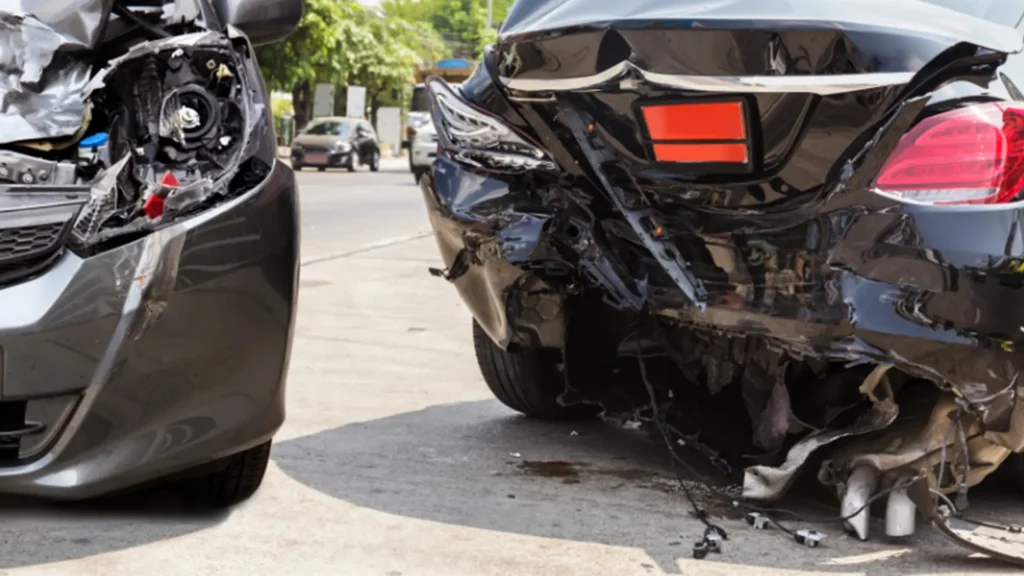
Chain-reaction crashes are far more complicated than two-car accidents. They often happen at higher speeds, during heavy traffic, or in low-visibility conditions. One impact triggers another. Liability may be shared, disputed, or unclear at first glance. Was it the driver who rear-ended the line of cars? The one who changed lanes abruptly? Or the truck that couldn’t brake in time? We help untangle the sequence of events, so you understand where you stand.
Why These Claims Become Complicated
Why do pileup cases take longer to resolve? Because multiple drivers mean multiple insurance companies. Each carrier investigates separately. Statements may conflict. Damage patterns must be analyzed. Even a minor inconsistency in the timeline can delay progress. These cases demand careful documentation. Photos, witness statements, police reports, and medical records all matter. Do you know what evidence strengthens your position before you speak to an adjuster?
Common Causes of Multi-Vehicle Collisions
Why do chain-reaction crashes happen so often during rush hour or in poor weather? Typical contributing factors include:
- Distracted Briving: A glance at a phone can delay reaction time just enough to cause impact.
- Tailgating: When drivers follow too closely, one sudden stop creates a domino effect.
- Speeding or Mechanical Failure: Faster vehicles have less time to brake safely.
- Fatigue or Impairment: Fog, rain, or nighttime glare reduces response time.
- Sudden Weather: Rain on the 110 creates slick conditions that drivers underestimate.
Injuries Often Seen in Pileups
When several vehicles collide, the force of impact can strike more than once. You may be hit from behind and pushed into another car ahead. Common injuries include:
- Whiplash and Neck Trauma: Repeated jolts can worsen soft tissue damage.
- Fractures and Broken Bones: Airbags and side impacts may fracture arms or ribs.
- Head Injuries: Even without visible head wounds, brain injuries can occur.
- Internal Injuries: Symptoms may not appear immediately, but can become serious.
What To Do After a Multi-Vehicle Crash
What steps protect you when several drivers are involved?
- Free Consultation & Case Review: Contact us to talk through the crash and your options.
- Document the Scene: Take photos of vehicles, skid marks, and road conditions.
- Seek Medical Attention: Even minor discomfort should be documented.
- Preserve Records: Keep medical bills, repair estimates, and insurance correspondence.
Free Consultation & Case Review
We answer questions, explain the next steps, and review your options.
Complete Case Management
We organize evidence, manage paperwork, and communicate with insurers.
Aggressive Settlement or Trial Representation
We walk you through negotiations or courtroom preparation while keeping you informed.
How We Support Your Case
At LA Metro Injury Lawyer, we guide you through every phase of your claim. Multi-vehicle crashes require organization and precision
Our Approach to Chain-Reaction Claims
Where did the sequence begin? Which impact caused which injury? We reconstruct the timeline using reports, photos, and available data. We monitor how insurers respond and keep you informed at each stage. When several parties are pointing fingers, clarity becomes essential. We help bring structure to what feels chaotic.


Frequently Asked Questions
Quick answers to the questions we hear most often.
Is the rear-most driver always at fault?
Not automatically. While rear-end impacts often suggest fault, each driver’s actions are evaluated individually.
What if more than one driver shares responsibility?
Liability can be divided among parties. Compensation may reflect each driver’s percentage of fault.
Do I need to speak with every insurance company involved?
Multiple insurers may contact you. Understanding your rights before responding can prevent complications.
How long do I have to file a claim?
Deadlines vary under California law. Acting promptly helps preserve evidence and options.
Talk to Us Today
Were you injured in a chain-reaction collision? Unsure how to deal with several insurance companies at once? Call LA Metro Injury Lawyer today to review your situation, organize the facts, and explain your next steps clearly. You concentrate on healing. We focus on managing the complexity. The earlier you begin, the stronger your position can be