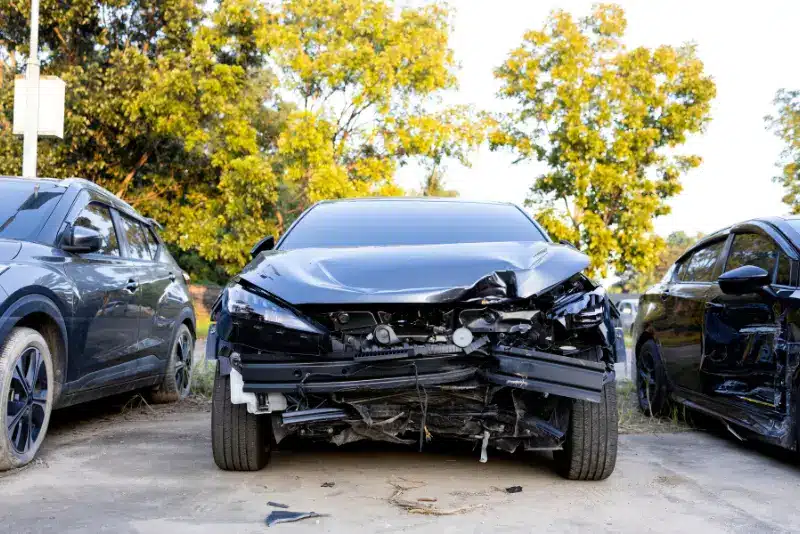
You never think it will happen to you until it does.
You’re at a red light and stopped. You look away for one second. Then BAM: someone rear-ends you. Your car shakes. Your neck jolts. Your head hurts. And your heart races.
You think, “Is this serious?” You feel stress in your neck. You see dents in your bumper. You hear insurance call after call. And a simple trip home has suddenly turned into weeks of doctor visits, bills, and confusion.
Don’t worry. Most people who go through a rear-end accident in California ask the same questions:
- How do I get paid for this?
- Can I work again?
- What do I need to do first?
If this is where you are right now (frustrated, confused, and unsure), you’re in the right place. Learning how rear-end accident settlements in California work doesn’t have to be scary.
By the time you finish this guide, you’ll know the steps, the laws, and how to make sense of the mess the crash created.
1. How Much Is a Rear-End Accident Settlement in California
Almost everyone wants to know how much their claim might be worth. That makes sense. Medical bills cost money. Time off work costs money. Pain and stress matter too.
But there is no single number that fits every case.
In California, settlement amounts change based on:
- Severity of injuries
- Medical treatment records
- Lost wages and future care needs
- Who was at fault and how much
Here’s where the law comes in.
California follows pure comparative negligence, which means you can still recover money even if you were partially at fault. But your percentage of fault reduces the amount you get. (Li v. Yellow Cab Co., 1975, widely cited principle of comparative negligence in California.)
For example, if you were hit from behind and the other driver was 80% at fault, and your damages were $50,000, your recovery could be $40,000 after fault reduction.
But you don’t need to know formulas. You need confidence that every dollar is serious. That’s why it matters to track every medical bill, every visit, and every cost related to the crash.
What most people don’t know is that even small injuries like whiplash (when fully documented) can be worth more than you think if they change how you live your life.
2. Why Rear-End Accident Settlements Differ in California
If you ask two people what their rear-end crash settlement was worth, you’ll get very different answers. That’s not random. There are real reasons why amounts differ.
These big reasons include:
- The type of injury you suffered
- The quality of your medical evidence
- The timing of your treatment
- Whether you needed time off work
- Whether there is a dispute about fault
Let’s look at the real legal context of how fault affects your case.
In Audish v. Macias (2024), the California Court of Appeals explained how a jury must decide each driver’s percentage of fault when both are blamed for the crash. Even if someone rear-ends you, the judge or jury still decides percentages if there’s evidence that both drivers were partly at fault. That affects how much you recover.
That is why settlements differ:
- One person may be injured, but the insurer says “you were partly in motion.”
- Another person may have a clear video and no debate about fault.
The outcome changes. It is not because one case is “better,” but because the facts and evidence differ.
That’s also why we at LA Metro Injury Lawyer gather every detail: from police reports to photos to witness statements, so your settlement truly reflects what happened, not what the insurance company wants you to think.
3. How Whiplash Settlement Amounts Work in California
Whiplash is common in rear-end accidents. It may start as a small ache, but it can lead to weeks of pain, lost sleep, and repeated doctor and therapy visits.
Whiplash isn’t just “sore muscles.” It’s a real injury that can affect:
- Range of motion
- Daily activities
- Ability to work
- Future risk of pain
Under real California jury instructions, your claim can include future medical costs tied to the crash — not just what you paid already.
The official Civil Jury Instruction (CACI No. 3929) notes that a plaintiff may recover damages for future medical care if evidence shows it’s reasonably certain you will need that care.
So, if your doctor says you may need months of physical therapy, that can be part of your settlement ask. And that matters.
At LA Metro Injury Lawyer, we make sure we’ve documented every doctor’s note, every therapy session, and every future cost in your claim. Many people don’t realize that more than just the immediate treatment matters; future needs do, too.
4. How Is Rear-End Crash Compensation Calculated in California
You might hear the word “compensation” and think it’s one simple number. But it’s actually a combination of several parts:
Economic Damages (Actual Costs)
- Medical bills
- Future treatment costs
- Lost wages
- Vehicle repair or replacement expenses
Non-Economic Damages (Impact on Life)
- Pain and suffering
- Emotional stress
- Loss of enjoyment of life
Every single one of these must be proven with records. That’s why calling the doctor, saving every bill, and writing down every impact on your life is important.
And remember the legal rule called pure comparative fault, even if you were slightly to blame, you still can recover. But the amount is reduced by your assigned percentage of fault.
This legal rule is the backbone of how crash settlements are calculated in California, and every case is unique because no two facts are the same.
At LA Metro Injury Lawyer, we build claims from the ground up. We don’t guess at numbers. We use the law and evidence to put together a full picture of your losses.
5. How the Rear-End Accident Claim Process Works in CA
Most people think the process is simple: report accident → see doctor → insurer pays you
It’s not.
Here’s how the real claim process works:
- Report the crash to the police and insurance (This creates an official record).
- See medical professionals immediately (Some injuries don’t show up for days).
- Follow doctor’s orders completely (If you stop treatment early, insurers may argue you weren’t hurt as badly).
- Document EVERYTHING (Photos, bills, conversations, appointments — all of it).
- Demand package (We prepare a settlement demand supported by medical records, bills, lost income, and legal argument).
- Negotiation with insurers (They will often offer low numbers first — that’s normal).
- Settlement or litigation (If a fair number isn’t offered, we prepare to file legal action).
This process is why timing matters. If you delay medical care or don’t follow up properly, insurers may say the injury isn’t serious.
In Gutierrez v. Tostado (2025), the California Supreme Court confirmed that the regular two-year negligence statute of limitations applies to rear-end accident claims (even if part of the case sounds medical) because the core issue is negligence, not medical malpractice. That means you must act within the legal time frame, not wait indefinitely.
Understanding the steps helps you protect your rights and your settlement potential.
6. How Long Does a Rear-End Accident Settlement Take in California
There is no fixed timetable, but here’s the usual pattern:
- Minor injuries with complete records: 3-6 months
- Moderate injuries needing ongoing treatment: 6-12 months
- Complex injuries, disputed fault, or litigation: 12-24 months
Every case timeline depends on:
- How long has your doctor been treating you
- How quickly are medical records produced
- Whether there are disputes about fault or coverage
Insurance companies often delay or slow down to see if claimants will settle for lower amounts out of frustration. That’s a normal strategy.
At LA Metro Injury Lawyer, we push for progress but never rush your claim before the full value of your injuries is known. Getting paid too early (before your medical picture is clear) can cost you money long term.
Frequently Asked Questions
1. What is a rear-end accident settlement?
It’s the amount of money an insurance company pays you to resolve your claim after a rear-end collision, based on your injuries, bills, and losses.
2. How soon should I see a doctor after a rear-end crash?
As soon as possible. Early medical records help prove your injuries are real and crash-related.
3. Does California let me recover if I was partly at fault?
Yes. Under California’s pure comparative negligence rule, you can still recover, but your share of fault reduces the amount.
4. How long does a claim take?
Simple cases often settle in a few months; more complex ones can take over a year.
5. Can pain and suffering be part of my settlement?
Yes. Pain, emotional distress, and lifestyle impact can be included if supported by evidence.
6. What if the other driver denies fault?
Then your case may require more evidence, and sometimes legal action, to resolve.
7. Should I talk to the insurance adjuster without a lawyer?
Getting legal guidance first is safer because adjuster statements can affect your claim.
8. Do I need photos and documents?
Yes, photos of the crash, medical records, and expense documents strengthen your case.
9. What happens if I delay medical care?
Insurance may argue your injury wasn’t serious or connected to the crash, which can lower your settlement.
10. Why choose LA Metro Injury Lawyer?
We understand the process and legal rules. We build your claim from real evidence and law, not guesswork.
Why Your Next Step Matters
You’ve felt the impact. You’ve dealt with the calls. You’ve seen the bills. Now you need direction.
At LA Metro Injury Lawyer, you don’t figure it out alone. We guide you through how rear-end accident settlement in California works (step by step), using facts, law, and structure that insurers respect.
We know the process. We know the rules. And most of all, we know how to make your case make sense.