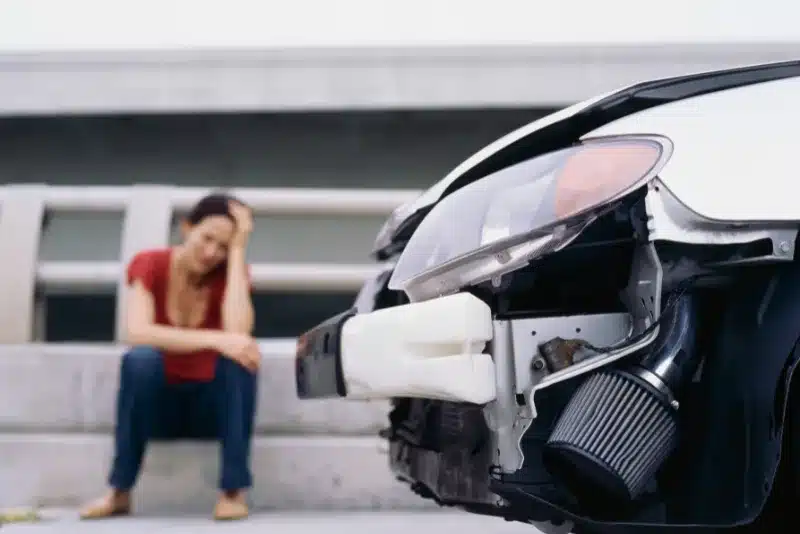
You were in a crash. And now doubt is eating at you. Maybe you were going a little fast. Maybe you changed lanes at a bad time. Maybe you were distracted for just one second. And now you are wondering: does any of that mean you get nothing?
This is one of the most common fears crash victims carry. And it stops a lot of people from ever calling a lawyer. But in California, partial fault does not erase your right to recover.
The question of “what if the accident was partly my fault” has a direct legal answer. California uses a system called pure comparative fault. Under that system, being partly to blame reduces your recovery. It does not end it. You can still collect compensation for the share of harm the other party caused.
This article walks you through exactly how that works, what insurance companies try to do with it, and how a skilled LA Metro accident attorney can protect your number.
1. California Law Says You Can Still Recover Even When You Share Fault
California follows the rule of pure comparative fault. This rule comes from a landmark 1975 California Supreme Court decision, Li v. Yellow Cab Co. (1975) 13 Cal.3d 804, and is codified in Civil Code Section 1431.2.
If you were 30% at fault and your total damages are $100,000, you recover $70,000. If you were 50% at fault, you recover $50,000. Even if you were 90% responsible, you can still collect 10% of the total damages.
Under CACI No. 405, Comparative Fault of Plaintiff, the jury receives specific instructions to assign a percentage of fault to each party. The court then reduces your award by that percentage. This process is separate from the question of whether you have a valid claim at all.
So the short answer to “what if the accident was partly my fault” is this: you still have a claim. The fault split just changes the math, not your right to seek compensation.
2. How Insurance Companies Use Fault to Shrink Your Settlement
Knowing the law is one thing. Dealing with insurance adjusters is another.
Once you file a claim, the other driver’s insurer gets to work fast. Their job is not to be fair to you. Their job is to pay out as little as possible. And one of their best tools is inflating your share of fault.
Here is what that looks like in real cases:
- You rear-ended someone, but the driver in front had a broken taillight. The adjuster calls you 60% at fault. The real number may be closer to 20%.
- You were slightly over the speed limit during a merge accident on the freeway. The insurer claims your speed was the main cause. Evidence may tell a different story.
- You did not signal before a lane change, but the other car was driving aggressively. The adjuster puts 70% on you with zero investigation.
These inflated fault numbers directly reduce your payout. Every percentage point they add to your share is money taken out of your pocket.
The only way to fight back is with evidence, documentation, and someone who knows how multi-vehicle collision cases and fault disputes actually play out. This is where having a legal team in your corner makes all the difference.
3. What Evidence Actually Determines Fault After a Crash
Fault is not just what the other driver claims. It is not what the insurance adjuster decides in their office. Fault is determined by real evidence. And the right evidence can change everything about what percentage gets assigned to you.
The evidence that matters most includes:
- Police accident reports with officer observations and citations issued
- Traffic camera footage or nearby business security video
- Black box or event data recorder data from the vehicles involved
- Witness statements gathered at the scene or shortly after
- Skid marks, road conditions, and vehicle damage patterns
- Cell phone records showing distraction at the time of impact
- Medical records linking the crash directly to your injuries
Evidence fades fast. Footage gets overwritten. Witnesses forget details. This is why acting quickly matters so much after a freeway car accident or any serious crash.
An experienced attorney team starts gathering this evidence immediately. They know what to preserve, how to request it, and how to use it to challenge an inflated fault assignment.
4. Real Situations Where Shared Fault Still Led to Strong Recovery
The idea that a partial fault kills a case is one of the most damaging myths in personal injury law. Real cases tell a very different story.
Consider a pedestrian accident where the pedestrian crossed slightly outside the crosswalk. The driver ran a stop sign. The pedestrian is assigned 15% fault. Damages of $200,000 result in a $170,000 recovery, still a life-changing amount.
In truck accident cases, shared fault is especially common. Trucking companies and their insurers are aggressive. They hire crash reconstruction experts to build a narrative that increases your fault percentage. Having your own team do the same work is not optional. It is necessary.
The goal is not to pretend you had zero fault. The goal is to make sure the fault split is accurate, not a number someone invented to shrink your check.
5. Why Acting Right Away Protects Your Fault Percentage
The longer you wait after a crash, the harder it becomes to fight a bad fault assignment. Evidence disappears. Witnesses move on. And the other side has already started building their version of events.
Here is what you should do from the moment the crash happens:
- Call 911 and make sure a police report is filed. Always.
- Get medical care right away, even if you feel okay. Delayed treatment is used to argue that your injuries were not from the crash.
- Document everything at the scene: photos, video, weather, road conditions, and any signage.
- Get names and contact info from witnesses before they leave.
- Do not discuss fault with the other driver or their insurance company.
- Contact a qualified accident attorney before you give any recorded statement.
Every step here directly affects what percentage of fault ends up on you. Insurance companies monitor how you behave right after an accident. They look for gaps in medical care, inconsistent statements, and any detail that helps them raise your fault number.
Protecting yourself starts at the scene. Then it continues through the entire claims process with the right legal support by your side.
Your Partial Fault Does Not Have to Cost You Everything
Sharing some fault is not a death sentence for your claim. California law was built to make sure that partial blame does not mean zero recovery. You still have rights. You still have a case.
But insurance companies know the system too. They know exactly how to manipulate the fault percentage to cut what they owe you. Fighting back takes more than knowing the law. It takes evidence, timing, and people who have done this before.
At LA Metro Injury Lawyer, our team has handled complex fault disputes across Los Angeles freeways and streets. We gather the evidence fast, challenge inflated fault numbers, and fight to make sure your reduction is fair and accurate.
You pay nothing unless we win. Call us at (310) 582-5674 or visit our contact page to get your free case review today. Do not let a fault argument take what you are owed.
Frequently Asked Questions
What if the accident was partly my fault in California?
California utilizes pure comparative fault. Your compensation is reduced by your responsibility percentage, not canceled. If thirty percent is responsible, you still recover seventy percent.
Can I still sue if I was 50% at fault for an accident?
Yes. California lets you sue even if you are fifty percent or more liable. Your financial recovery decreases proportionally. Attorneys prevent insurers from inflating your liability.
How does California decide who is at fault in a crash?
Fault is determined via police reports, video footage, witness accounts, and crash reconstruction. Juries assign exact blame percentages based on the totality of evidence.
What is pure comparative fault, and how does it affect my case?
It is California’s fault-sharing system. Everyone receives a liability percentage, which reduces your payout. You are never barred from recovering compensation, regardless of fault.
Will the insurance company try to increase my fault percentage?
Yes. Insurers routinely inflate your blame to slash payouts. They exploit medical gaps or casual statements. Attorneys gather proof to counter these aggressive tactics.
Does partial fault affect both economic and non-economic damages?
Yes. Your fault percentage reduces both categories equally. This impacts medical bills, lost income, and pain suffering, in accordance with California’s strict liability laws.
What should I not say after an accident if I was partly at fault?
Never apologize, admit fault, or give recorded statements to insurance adjusters. These statements will be weaponized to artificially increase your liability and lower compensation.
How quickly should I contact a lawyer after a partial-fault accident?
Contact an attorney immediately. Critical evidence like skid marks, dashcam footage, and witness memories vanishes rapidly. Early legal intervention protects your financial recovery.
Does a wrongful death claim still apply if the deceased was partly at fault?
Yes. California’s comparative fault system applies to wrongful death. Total family compensation decreases by the deceased’s liability percentage, but the legal claim remains valid.